
 Kayiwa · · 38 min read
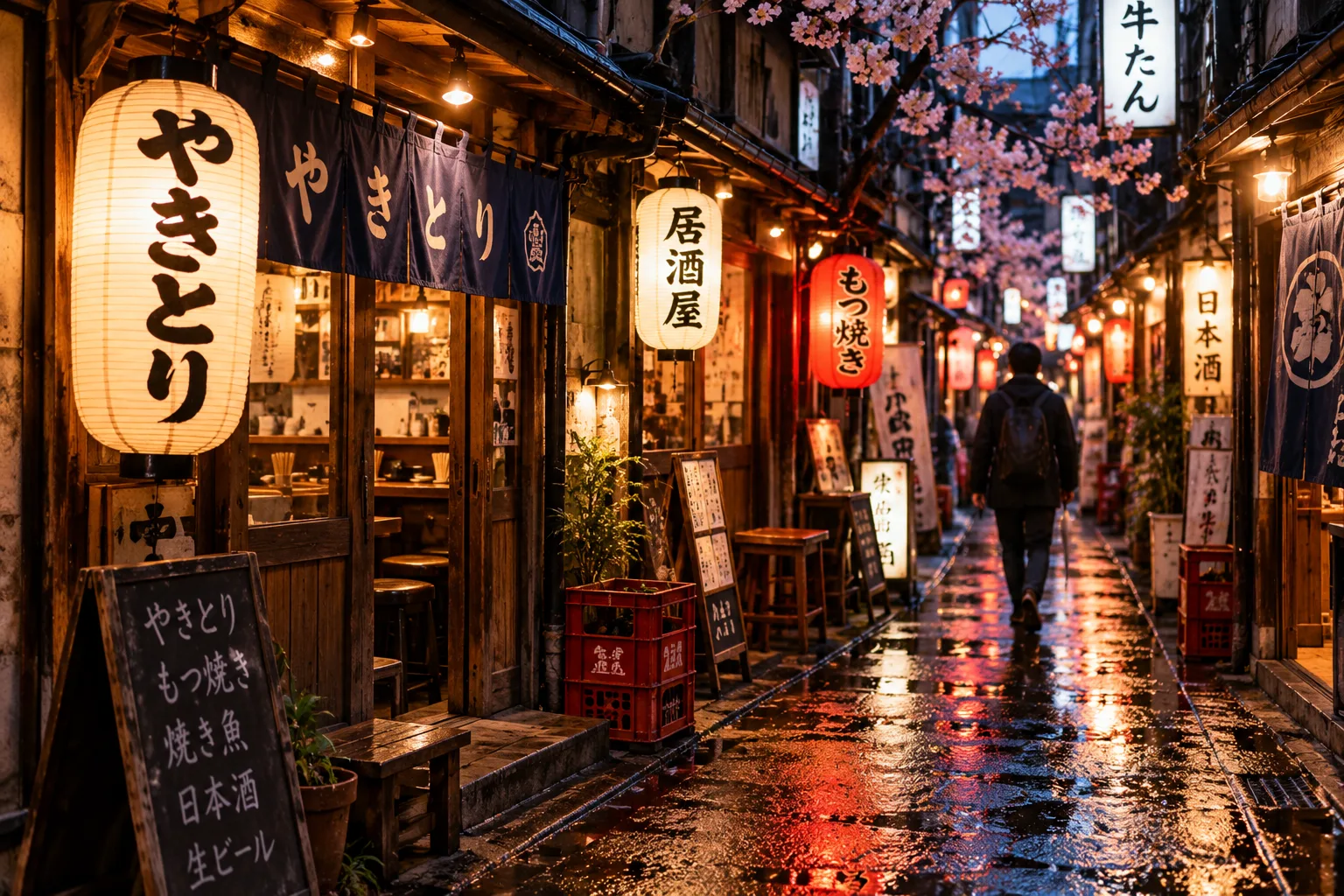
Imagine wandering through a centuries-old Japanese neighbourhood while freshly grilled skewers smoke on the corner. Eating seafood beside the turquoise water of a Greek island. Sipping Vietnamese egg coffee in a tiny Hanoi café, or watching the sun drop behind Rio de Janeiro’s mountains.
Those are the moments that turn a holiday into a memory. And as 2026 heads towards its last quarter and people start planning the next trip, the pattern in the data is clear: travellers are searching for more than a pretty photograph. They want real food, real streets, and a reason to talk to the people they meet.
Two recent search reports point towards seven countries: Japan, Greece, Vietnam, Brazil, Italy, Canada and Guatemala. This is not an official ranking of the world’s most-visited places. It is a mix of established favourites and fast risers, and I have turned it into something you can actually plan from: what to eat, when to go, what it costs, what the entry rules are right now, and how many days you need.
What the search data actually says
The two reports measure different things, so I want to be exact about what each one shows.
- Google, 5 October 2026. Its holiday travel report named the international destinations with the biggest relative jump in Google Flights searches, compared with 2025, for Christmas and New Year: Athens, Québec City, Rio de Janeiro, Hanoi and Guatemala City. It gives no percentages for these.
- Expedia, Unpack ’26. Released in October 2025 for the 2026 travel year, it listed year-over-year search increases for its “destinations of the year”, including Okinawa +71%, Sardinia +63%, Phu Quoc +53% and Ucluelet +44%.
Here is where each of the seven countries shows up.
| Country | Trend signal | Source |
|---|---|---|
| Japan | Okinawa, +71% in searches | Expedia Unpack ’26 |
| Greece | Athens, fast-growing Christmas and New Year search | Google, October 2026 |
| Vietnam | Hanoi (Google) and Phu Quoc, +53% (Expedia) | Both |
| Brazil | Rio de Janeiro, fast-growing Christmas and New Year search | Google, October 2026 |
| Italy | Sardinia, +63% in searches | Expedia Unpack ’26 |
| Canada | Québec City (Google) and Ucluelet, +44% (Expedia) | Both |
| Guatemala | Guatemala City, fast-growing Christmas and New Year search | Google, October 2026 |
Fast-growing is not the same as most-searched. A place can double from a small base and still be quieter than Rome. Treat the list as a prompt to look, not a verdict.
I have written this as a planning guide, drawing on published data, official sources and my own country guides where I have them. The costs I quote for Japan and Vietnam come from those guides. Everything about entry rules and fees was checked in mid-October 2026, and rules do change, so confirm anything that affects your booking with the official source linked at the end.
In this guide
- Japan
- Greece
- Vietnam
- Brazil
- Italy
- Canada
- Guatemala
- Which one should you visit first?
- Entry rules and fees, October 2026
- How to plan without overspending
- Frequently asked questions
1. Japan: where ancient tradition meets modern adventure
Best for: first-time long-haul travellers, food lovers, culture, scenic trains and seasonal travel.
Japan keeps its place on wish lists because of its contrasts: centuries-old temples beside glass towers, quiet gardens between loud shopping streets, and a food culture that holds ancient craft and modern invention at the same table. It is also, in my Japan guide, the most expensive country in my set and the one where the money buys the most. A mid-range day comes to about $95, and a small amount of planning changes the trip.
Expedia’s data points to Okinawa, up 71% in searches. But the country is bigger than any one region, so start with the three cities most people see.
Tokyo: a city that keeps surprising you
Start in Asakusa, where Sensō-ji Temple and the Nakamise shopping street sell traditional snacks and sweets. Then go to Shibuya for the famous crossing, the fashion and the cafés. For something quieter, walk through the forest around Meiji Jingū. Food lovers should save time for Shinjuku, Ginza and Ueno, which each feel like a different city at the table.
What to eat in Tokyo:
- Sushi: from conveyor-belt counters to quiet omakase bars.
- Ramen: try shoyu, shio, miso and tonkotsu to taste how different the broths are.
- Tempura: seafood and vegetables in a light, crisp batter.
- Yakitori: grilled skewers, best in a loud little place under the train tracks.
- Tonkatsu: a breaded pork cutlet with shredded cabbage and rice.
- Taiyaki: fish-shaped cakes filled with red bean or custard.
The best-value trick is to eat where Japanese people eat. A standing soba bowl is around ¥400, a convenience-store onigiri around ¥150, and a lunch set can be ¥900. A small-group food tour with a local guide is worth it on day two, when you do not yet know what to order.
Kyoto: temples, tea houses and timeless beauty
Walk through the vermilion torii gates at Fushimi Inari Taisha, wander the old lanes of Higashiyama and look out over the city from Kiyomizu-dera. Go to the Arashiyama Bamboo Grove early, because it is a different place at 7 a.m. than at noon. Gion is at its most atmospheric in the evening.
Try yudofu, a simple boiled tofu dish, Kyoto-style pickles and anything made with matcha. A tea ceremony is a calm way to understand ritual and hospitality in Japanese culture.
Osaka: the street-food capital
Begin at Dotonbori, under its enormous signs. Eat takoyaki (octopus balls), okonomiyaki (a cabbage pancake with toppings) and kushikatsu (breaded, fried skewers). The Osaka rule is to dip your skewer in the shared sauce once only. Food is the city’s identity, and eating your way through it is the point.
Okinawa: Japan’s tropical side
Okinawa sits in the southern island chain, with warm weather, beaches and a culture shaped by its Ryukyu heritage. The food differs from the mainland.
- Okinawa soba: a noodle soup with pork.
- Goya champuru: a stir-fry with bitter melon.
- Rafute: slowly braised pork belly.
- Taco rice: a local invention of taco toppings over rice.
- Sata andagi: Okinawan fried doughnuts.
It is a flight of under three hours from Tokyo, so treat it as its own trip or a week-long extension. Typhoon season runs roughly from June to October, so check the forecast before you commit to nonrefundable island plans.
When to go to Japan
- March to April: cherry blossom. Bloom dates change every year, and this is the most expensive and crowded stretch of the year.
- Late April to early May: Golden Week, when Japanese people travel too. Trains and hotels fill up.
- May to June: green landscapes, with the rainy season arriving in June.
- July to August: festivals and fireworks, but heat, humidity and typhoon risk. Mid-August (Obon) is another busy local holiday.
- October to November: comfortable weather, autumn food and colour. The best compromise for a first trip.
- December to February: snow, winter lights and hot springs. Clear and cold in the north.
Suggested 10-day Japan itinerary
| Day | Experience |
|---|---|
| 1 | Arrive in Tokyo and walk the neighbourhood around your hotel |
| 2 | Asakusa, Sensō-ji, Ueno and traditional food |
| 3 | Shibuya, Harajuku and Shinjuku |
| 4 | Day trip to Kamakura or the Mount Fuji area |
| 5 | Shinkansen to Kyoto (about 2h15) and an evening in Gion |
| 6 | Fushimi Inari and historic Higashiyama |
| 7 | Arashiyama and a Kyoto food experience |
| 8 | Travel to Osaka, Osaka Castle and Dotonbori at night |
| 9 | Osaka food tour or a day trip to Nara |
| 10 | Last shopping and departure |
Practical notes for Japan
- Entry: US, UK and most EU passport holders can visit visa-free for up to 90 days. Japan plans an electronic travel authorisation called JESTA, but it is not in force. The government’s plan targets the end of fiscal year 2028, so ignore any website that offers to “apply” for it today.
- Departure tax: it rose from ¥1,000 to ¥3,000 on 1 July 2026. Airlines normally include it in the ticket price.
- Trains: my fourteen-day budget in the Japan guide allows $390 for a 7-day JR Pass plus extra tickets, but price your actual route before buying, because a Tokyo, Kyoto, Osaka and back loop on individual tickets often costs less. Compare regional passes and flights too.
- Cash: carry some. Many small restaurants, markets and rural businesses still do not take cards.
- Tipping: not expected, and sometimes refused.
For the deeper food story, my Japanese cuisine guide explains dashi, the logic of specialist restaurants and why subtraction is the whole idea.
Kayiwa Craves travel tip
Walk into the small place with a queue of office workers. It is almost always cheaper and better than the restaurant with the English menu and the famous name.
Why Japan deserves a place on your list: few countries combine food, history, safety, public transport and seasonal beauty so well.
2. Greece: ancient wonders, island escapes and Mediterranean flavours
Best for: couples, history lovers, Mediterranean food, coastal escapes and slower travel.
Greece is the postcard of whitewashed villages, ancient ruins and clear water. Beyond the photographs there is a country of strong regional traditions and one of the Mediterranean’s most welcoming food cultures. Athens topped Google’s October 2026 list of fast-growing international Christmas and New Year destinations, but for most visitors the capital is the start of the trip, not the end.
Athens: where history comes alive
The Acropolis dominates the skyline, with the Parthenon as its best-known monument. A standard adult ticket is €30 (about $34), entry is timed, and in peak season slots can sell out days ahead, so book on the official ticketing site and arrive at opening or late in the afternoon to avoid the worst crowds. Follow it with the Acropolis Museum to see what the site once held.
Spend the evening in Plaka, with its lanes, shops and cafés, and in Monastiraki, where markets, ruins and modern city life overlap. Sunset viewpoints around the city give you the skyline back.
The Greek islands: which one should you choose?
The hardest decision is the island. Each has a different personality.
- Santorini: volcanic cliffs, cliffside villages, luxury stays and famous sunsets. Ideal for couples chasing iconic views, but expensive and crowded.
- Mykonos: beach clubs, nightlife, stylish hotels and upscale dining.
- Crete: beaches, mountains, historic sites, traditional villages and a strong food culture. Large enough for a trip on its own.
- Naxos: sandy beaches, pretty towns, farms and excellent local food. A good alternative to the heavily promoted islands.
- Rhodes: beaches plus a medieval walled town.
For a first visit with limited time, Athens plus one island beats rushing through four or five. Athens to Santorini is roughly 45 minutes by air or 5 to 8 hours by ferry, depending on the boat.
Greek food: a Mediterranean feast
Greek cooking celebrates seasonal produce, olive oil, herbs, cheese, seafood and shared plates.
- Souvlaki: grilled meat on a skewer or in pita with vegetables and sauce.
- Gyros: seasoned meat from a vertical rotisserie, served in pita.
- Moussaka: layers of aubergine, seasoned meat and béchamel.
- Greek salad: tomato, cucumber, olives, onion, olive oil and feta (no lettuce in the classic version).
- Spanakopita: flaky pastry with spinach and cheese.
- Dolmades: vine leaves stuffed with rice, sometimes meat.
- Baklava: pastry, nuts and syrup.
In the Cyclades look for fava (a yellow split-pea purée), capers, local cheeses and seafood.
A food lover’s day in Greece: start with thick yogurt, honey and fruit. Have lunch at a family taverna and order several small dishes to share. Spend the afternoon in a village, an archaeological site or on a beach. In the evening, order grilled fish and fresh vegetables with bread and watch the sunset. Excellent meals here do not require extravagant spending, because neighbourhood bakeries and family tavernas often beat the polished restaurants.
When to go to Greece
- April to June: mild weather, spring landscapes, good sightseeing.
- July to August: peak island season. Hot, busy and expensive. Strong summer winds can disrupt ferries.
- September to October: often the best mix of warm sea and fewer people, though swimming and ferry timetables thin out later in the month.
- November to March: better for Athens and the mainland than for a beach holiday.
Suggested 8-day Greece itinerary
| Day | Experience |
|---|---|
| 1 | Arrive in Athens and explore Plaka |
| 2 | Acropolis, Acropolis Museum and Monastiraki |
| 3 | Local food tour and more Athens sightseeing |
| 4 | Fly or ferry to Santorini or Naxos |
| 5 | Island villages and coastal viewpoints |
| 6 | Beach time, local cuisine and a sunset |
| 7 | More island exploring, or return to Athens |
| 8 | Departure |
Book ferries and island hotels early for popular dates. Weather can cancel ferries, so do not schedule an island departure the same day as an international flight.
Practical notes for Greece
- Entry: Greece is in the Schengen area. EU citizens need nothing special. Visitors from the US and UK can stay 90 days in any 180 under the existing rules, and will need an ETIAS authorisation once it starts (see the entry section below).
- Biometric checks: the EU’s Entry/Exit System has been replacing passport stamps with fingerprint and photo checks. Allow extra time at the border at busy airports.
- Money: the euro. Tavernas often add a small charge for bread, and tipping is usually a round-up or about 10%.
Kayiwa Craves travel tip
You do not have to sleep in the most photographed village. A hotel ten minutes away is often cheaper, quieter and closer to a good taverna.
Why Greece deserves a place on your list: historic landmarks, island scenery and a food culture built around fresh ingredients and long shared meals.
3. Vietnam: incredible street food, natural beauty and affordable adventure
Best for: budget-conscious travellers, adventurous eaters, coffee fans, scenery and tropical escapes.
Vietnam has become a favourite for travellers who want rich experiences without premium prices. Google’s report flagged Hanoi, and Expedia recorded a 53% rise in searches for Phu Quoc. For this site, Vietnam is the most exciting of the seven because the food can be the main attraction. In my Vietnam guide a mid-range day costs about $32 and food comes to about $8 a day.
Hanoi: the capital of street-food culture
Hanoi is a city of contrasts: old architecture, narrow streets, motorbikes, tiny cafés and traditional markets. The Old Quarter rewards slow walking. Start the morning with a bowl of pho, and know that northern pho is a clear broth with almost nothing added, no basil and no bean sprouts. Walk around Hoan Kiem Lake and visit the Temple of Literature. In the afternoon, find a café for egg coffee, a rich drink made with whipped egg yolk, sugar and coffee. In the evening the street food gets even better: grilled meats, noodles and soups.
New to street food? Read my guide on how to eat street food safely. The same rules apply in Hanoi: busy stalls, food cooked in front of you, and a short menu.
What to eat in Vietnam
- Pho: noodle soup with beef or chicken and aromatic broth.
- Bun cha: Hanoi grilled pork with rice noodles, herbs and dipping sauce.
- Banh mi: a crisp baguette with meat, pâté, pickles and herbs.
- Banh xeo: a crisp savoury pancake with shrimp, pork and bean sprouts.
- Bun bo Hue: a rich, spicy noodle soup from the old imperial city of Hue.
- Goi cuon: fresh spring rolls.
- Com tam: broken rice with grilled pork.
- Ca phe sua da: iced coffee with condensed milk.
The north is subtle and herb-forward, the centre is spicier, and the south is sweeter and more tropical. Eating in only one city shows you a third of the country.
Ha Long Bay, Ninh Binh and the north
Ha Long Bay is known for limestone islands rising from the water, seen by boat or overnight cruise. Ninh Binh offers limestone mountains, rivers and rice fields, and is easy as a day trip from Hanoi. Sapa and the northern mountains suit trekking and terraced landscapes. Allow time for travel between places, and choose operators that treat local communities and the environment well.
Hoi An: lanterns, tailors and regional food
Hoi An is at its best in the evening, with lanterns, old merchant houses and the river. Try cao lau, a noodle dish tied to the town, and white rose dumplings. A hands-on cooking class is a good way to learn Vietnamese ingredients.
Phu Quoc: the island escape
Beaches, resorts, seafood and tropical scenery make Phu Quoc a natural rest after busy city days. Look for dishes that use the island’s fish sauce, which has a long reputation. Add it as a separate stay of two to four nights.
When to go to Vietnam
There is no single good season for the whole country.
- North: autumn and spring are the most comfortable. December to February can be cold and grey; Hanoi at 12°C and damp surprises people.
- Centre: the rainy season and typhoons bring serious flooding. In my guide, Hue and Hoi An can genuinely go under between September and November.
- South: the drier months are the easiest for outdoor travel.
- Phu Quoc: the drier season usually runs from around November to April.
- Tết: Lunar New Year falls on 6 February 2027. Many businesses close for several days and transport sells out. Some find it magical, but plan around it.
March to April and October to November are the best compromise for a first trip. Check the weather for each region on your route.
Suggested 10-day Vietnam itinerary
| Day | Experience |
|---|---|
| 1 | Arrive in Hanoi and explore the Old Quarter |
| 2 | Hanoi landmarks and a food tour |
| 3 | Day trip to Ninh Binh |
| 4 | Ha Long Bay excursion or overnight cruise |
| 5 | Fly to central Vietnam |
| 6 | Hoi An Ancient Town |
| 7 | Cooking class and countryside |
| 8 | Fly to Ho Chi Minh City |
| 9 | City sightseeing and a southern food experience |
| 10 | Departure |
This route needs two internal flights. If you have fewer than two weeks, pick one end of the country rather than all three. Vietnam is long; Hanoi to Ho Chi Minh City is about the distance from London to Rome.
Practical notes for Vietnam
- Entry: US passport holders need an e-visa: US$25 for a single entry, valid up to 90 days, from the government portal. Citizens of the UK, Germany, France, Italy and Spain, among others, can stay 45 days without a visa under an exemption currently set to run to March 2028. Other EU nationalities may need an e-visa, so check yours.
- Getting around: Grab motorbike taxis are often under a dollar across a city centre and are the best transport decision in Hanoi and Saigon. Crossing the road: walk at a steady pace and do not stop or run.
- Total cost: my guide prices a fourteen-day overland trip from Hanoi to Ho Chi Minh City at about $573.
If you are thinking about a longer Southeast Asia trip, my notes on budgeting a month in South-East Asia show how the pieces add up.
Kayiwa Craves travel tip
Look beyond restaurants with picture menus. Pick the busy local places, learn a few food words, and choose vendors with fresh preparation and good hygiene.
Why Vietnam deserves a place on your list: affordable travel, rich cooking, warm hospitality and landscapes that change every few hundred kilometres.
4. Brazil: vibrant culture, spectacular beaches and bold flavours
Best for: beach lovers, music fans, adventurous travellers, nature and lively food scenes.
Brazil is a country of huge scale and variety. Beaches, big cities, rainforest, waterfalls and regional cooking can feel like different countries in one. Rio de Janeiro appeared among the fastest-growing international Christmas and New Year destinations in Google’s October 2026 report.
Rio de Janeiro: the city of mountains and sea
Few cities have such a setting. Mountains rise beside dense neighbourhoods and the Atlantic. Christ the Redeemer, on Corcovado, is the best-known landmark, and Sugarloaf Mountain is a cable-car ride with a wide view. Copacabana and Ipanema are social spaces as much as beaches, where people exercise, eat and meet. Walk through Santa Teresa for hillside streets and art, and visit Lapa for music and architecture, with sensible precautions at night.
Brazilian food: bold, comforting and deeply regional
Brazilian cooking reflects Indigenous traditions plus African, Portuguese and many other influences. The country is so large that the food changes sharply from region to region.
- Feijoada: a bean stew with pork, served with rice and sides. Traditionally a Saturday meal.
- Pão de queijo: small baked cheese breads.
- Moqueca: a fish or seafood stew, with coconut milk and dendê oil in the Bahian version.
- Churrasco: grilled meat in many regional traditions.
- Coxinha: a savoury snack of shredded chicken in a crisp coating.
- Brigadeiro: a chocolate sweet made with condensed milk.
- Açaí: served cold in a bowl with fruit and toppings.
- Pastel: a fried pastry with savoury or sweet fillings.
A good budget move is a por quilo lunch, where you fill a plate from a buffet and pay by weight. Visit a market too, to see the range of tropical fruit.
Beyond Rio
- Salvador (Bahia): Afro-Brazilian heritage, colourful historic districts, music and cuisine. Try acarajé and Bahian moqueca.
- Foz do Iguaçu: the Iguaçu Falls are among South America’s great natural sights. Walkways and viewpoints let you feel the scale, though conditions and routes vary.
- The Amazon: a chance to learn about the rainforest and local cultures through carefully chosen excursions. It is sensitive ground, so choose experienced guides and responsible operators.
- São Paulo: one of Brazil’s best food cities, from regional Brazilian dishes to Japanese restaurants and contemporary fine dining.
When to go to Brazil
- December to March: summer in Rio and the south, hot with periods of rain. Carnival 2027 falls in the days before Ash Wednesday, 10 February, so book very early.
- April to June: good sightseeing in several regions.
- July to September: suits some wildlife and nature trips, depending on where you go.
- October to November: spring in Rio and São Paulo, with warming temperatures.
Suggested 9-day Brazil itinerary
| Day | Experience |
|---|---|
| 1 | Arrive in Rio and explore the beachfront |
| 2 | Christ the Redeemer and major viewpoints |
| 3 | Sugarloaf Mountain and local markets |
| 4 | Santa Teresa, culture and Brazilian food |
| 5 | Fly to Foz do Iguaçu |
| 6 | The Brazilian side of Iguaçu Falls |
| 7 | Fly to São Paulo |
| 8 | São Paulo museums, neighbourhoods and food |
| 9 | Departure |
Domestic flights make sense because distances are large. Rio to Foz do Iguaçu is a flight, not a drive.
Practical notes for Brazil
- Entry: US, Canadian and Australian citizens need an e-visa, in force since 10 April 2025. It costs US$80.90, and sources describe it as valid for 10 years with 90 days per visit. Apply only on the official portal, because copycat sites charge extra fees for the same form. Processing is quoted at anything from 2 to 10 business days, so apply early. UK and EU passport holders can visit visa-free for up to 90 days.
- Health: yellow fever vaccination is recommended for many areas, including the Amazon and Iguaçu. Ask a travel clinic well before departure.
- Safety: Brazil is rewarding, but plan around safety in big cities. Use trusted transport, do not display valuables, research the neighbourhood before booking a hotel, and read your government’s current travel advice.
Kayiwa Craves travel tip
Pick your hotel by neighbourhood, not by price alone. In a big, spread-out city, a safe and convenient base saves more money and stress than a cheap room far from everything.
Why Brazil deserves a place on your list: music, beaches, nature and food that all feel alive.
5. Italy: timeless romance, historic cities and a culinary dream
Best for: food and wine, couples, architecture, art, coastlines and slow travel.
Italy needs little introduction: historic cities, Renaissance art, countryside, Mediterranean coast and one of the most loved cuisines on earth. But interest is moving beyond the classic cities. Expedia reported a 63% rise in searches for Sardinia. For this site, Italy offers the best example of a country where food depends on geography and history. My Italian cuisine guide goes into the twenty regions and the rules Italians defend.
Rome: the Eternal City
Visit the Colosseum, the Roman Forum and the Pantheon. A standard 24-hour ticket for the Colosseum, Forum and Palatine Hill is €18 (about $20), which is €16 plus a €2 online booking fee. Tickets are released in advance and summer morning slots sell out, so buy from the official ticketing site and not from resellers charging more. Trastevere is atmospheric in the evening.
Rome’s food rewards attention as much as its ruins. Try the four classic pastas: carbonara, cacio e pepe, amatriciana and gricia. Each is a lesson in how little a great dish needs.
Florence: Renaissance beauty and Tuscan flavours
Florence is about the Duomo, the Uffizi, the Ponte Vecchio and the Tuscan countryside just beyond. Eat ribollita, a vegetable and bread soup, and pappa al pomodoro, a tomato and bread dish, in a trattoria. Add a day trip for vineyards and hill villages.
Venice: canals, architecture and seafood
Venice is unlike anywhere else. St Mark’s Square, the Doge’s Palace and the Grand Canal are crowded for a reason, but quieter neighbourhoods show another side. Eat cicchetti, small snacks, in traditional bars, and expect seafood on most menus.
In 2026 Venice charged day visitors an access fee on set days between April and July: €5 if booked at least four days ahead and €10 later. Overnight guests are exempt, though they pay the usual city tax. Dates and the amount for 2027 had not been confirmed when I checked, and a higher maximum has been discussed, so look at the city’s official site before planning a day trip.
Sardinia: Italy’s island escape
Sardinia has turquoise water, sandy beaches, coves and dramatic scenery, plus historic villages, archaeological sites and mountains. Popular areas include the Costa Smeralda, the Gulf of Orosei, Alghero and Cagliari. A rental car makes it far easier to reach quieter inland villages. Some famous beaches need advance booking in summer, so check before you set off.
Sardinian food to try:
- Culurgiones: stuffed pasta with potato, cheese and mint.
- Malloreddus: small pasta shapes with regional sauces.
- Pane carasau: thin, crisp flatbread.
- Pecorino Sardo: a well-known sheep’s milk cheese.
- Fregula: small semolina pasta pearls, often with seafood.
- Seadas: a pastry filled with cheese and served with honey.
When to go to Italy
- April to June: excellent for cities and countryside.
- July to August: peak season, hot and crowded, especially on the coast.
- September to October: good for food, vineyards, sightseeing and the coast.
- November to March: museum city breaks and selected winter trips.
Late spring and early autumn are the sweet spot for Sardinia: milder weather and fewer people, though beach services vary.
Suggested 10-day Italy itinerary
| Day | Experience |
|---|---|
| 1 | Arrive in Rome |
| 2 | Colosseum and Roman Forum |
| 3 | Vatican area and Rome food exploration |
| 4 | Fast train to Florence (about 1.5 hours) |
| 5 | Florence museums and food markets |
| 6 | Day trip into the Tuscan countryside |
| 7 | Train to Venice (about 2 hours) |
| 8 | Venice sights and cicchetti |
| 9 | Quieter Venice neighbourhoods |
| 10 | Departure |
Treat Sardinia as its own island trip rather than adding it hurriedly to this route.
Practical notes for Italy
- Entry: as with Greece, EU citizens need nothing special, and US and UK visitors use the Schengen 90 days in any 180 rule today, with ETIAS to come.
- Eating: many restaurants charge a small coperto (cover charge) per person, and service is often included, so tipping is optional. Standing at the bar for an espresso costs less than sitting down. Dinner usually starts late, around 7:30 pm or later.
- Trains: book the fast trains in advance for the best fares.
Kayiwa Craves travel tip
The restaurant closest to the landmark is rarely the best. Walk ten minutes into a residential street, check what the locals are ordering and read the short menu.
Why Italy deserves a place on your list: it is not only the landmarks, it is the pleasure of art, history, scenery and regional food in one journey.
6. Canada: winter magic, spectacular nature and diverse food
Best for: nature lovers, winter travel, road trips, outdoor recreation, multicultural food and scenic city breaks.
Canada is a different kind of adventure from the tropics or the Mediterranean. Mountains, forests, lakes, wild coastline and vast open space sit beside cities with world-class museums and food scenes shaped by many communities. Google’s report highlighted Québec City, and Expedia recorded a 44% rise in searches for Ucluelet on Vancouver Island. Together they show two sides of Canadian travel: historic city charm and wild coastal beauty.
Québec City: a European-style escape in North America
Old Québec has historic streets, stone buildings, fortified walls and a French-speaking culture. The Château Frontenac dominates the skyline. Walk through Petit-Champlain, explore Place Royale and take in the views over the St Lawrence River. In winter, snow on the rooftops makes it one of the prettiest cities anywhere, and the Winter Carnival in late January and February is a good reason to go. Dress for it: temperatures can drop well below freezing.
Québécois food: comforting and delicious
- Poutine: fries with cheese curds and gravy.
- Tourtière: a traditional savoury meat pie.
- Pouding chômeur: a dessert with a rich syrupy sauce.
- Maple products: syrup, candy and desserts.
- Local cheeses: Québec produces a wide range of artisan cheeses.
For a food excursion, drive to Île d’Orléans, near Québec City, where farms and local producers feed the area’s food culture.
Ucluelet and Vancouver Island: wild coastal beauty
On the west coast of Vancouver Island, Ucluelet is a quieter alternative to busier resort towns. It has rugged shoreline, rainforest and ocean views. Walk the Wild Pacific Trail, try kayaking, coastal hikes and wildlife tours, and visit nearby Tofino. Whale watching is best in spring, and many people come in winter to watch storms roll in. Seafood and British Columbia produce are the food highlights. The drive from the Nanaimo ferry takes around three hours, so plan the transfer.
Vancouver: mountains, ocean and multicultural food
Explore Stanley Park, browse the Granville Island Public Market and look across the waterfront. The multicultural food scene is a major draw: Chinese, Japanese, Korean, Indian, Vietnamese and much more, alongside Pacific Northwest seafood, bakeries and farm-to-table restaurants.
Banff and the Canadian Rockies
Banff National Park and Lake Louise are known for mountains, lakes and forest. Conditions change a great deal through the year. Some roads and trails close seasonally, and popular sites like Moraine Lake use shuttle access, so check Parks Canada’s current information. Winter needs proper clothing and transport planning.
When to go to Canada
- December to March: winter experiences, snow sports and seasonal attractions.
- April to May: spring, with changeable weather.
- June to August: road trips, national parks and lakes.
- September to October: autumn colour in the east, cooler elsewhere.
The country is huge, so weather can differ wildly between two destinations on the same day.
Suggested 8-day Eastern Canada itinerary
| Day | Experience |
|---|---|
| 1 | Arrive in Montréal |
| 2 | Montréal neighbourhoods and food |
| 3 | More Montréal sightseeing |
| 4 | Travel to Québec City |
| 5 | Old Québec |
| 6 | Québec City food and historic sites |
| 7 | Montmorency Falls or Île d’Orléans |
| 8 | Departure |
For Vancouver Island, plan a separate west-coast trip. Combining Québec City, Vancouver and Ucluelet in one short holiday would use most of your time on planes.
Practical notes for Canada
- Entry: US citizens need a passport and no eTA. Visa-exempt visitors from the UK and most EU countries need an eTA (CAD 7, about US$5) for air arrivals, applied for on the official government site. It is valid up to five years or until your passport expires.
- Prices: menu prices and shelf prices usually exclude tax, which is added at the till. Tipping is typically 15 to 20% in restaurants.
- Distance: a flight from Montréal to Vancouver takes around five hours, so choose one region per trip.
Kayiwa Craves travel tip
Pick one Canadian region if your holiday is short. Distances make multi-city itineraries far more expensive and time-consuming than they look on a map.
Why Canada deserves a place on your list: natural beauty, cultural diversity, seasonal experiences and distinctive regional food.
7. Guatemala: Maya heritage, colourful markets and volcanic landscapes
Best for: culture, adventure, photography, coffee, archaeological sites and travellers who prefer a less conventional trip.
Guatemala is the most intriguing name on the list. It does not get the mainstream attention of Japan or Italy, yet it offers cultural depth, striking landscapes and memorable experiences. Guatemala City appeared among Google’s fast-growing international Christmas and New Year destinations in October 2026. For many visitors the capital is just the arrival point before they head for colonial towns, lakes, volcanoes and ruins.
Antigua Guatemala: colonial streets and volcano views
Antigua has cobblestone streets, ruined churches, coloured buildings and volcanoes in the background. Walk the historic centre, find the Santa Catalina Arch and browse the markets. Visit a coffee farm to see how beans are grown, picked, processed and roasted.
Volcano hikes are popular but need care. Go with a reliable guide, check the weather and read the current volcanic activity advisories before you book, because some volcanoes near Antigua are active. Holy Week (Semana Santa) in late March 2027 brings spectacular processions, and also the highest prices and busiest streets of the year.
Lake Atitlán: landscape and living culture
The lake is ringed by mountains and volcanoes. Boats connect the lakeside towns.
- Panajachel: the usual gateway for visitors.
- San Juan La Laguna: known for art, textiles and community-run enterprises.
- Other villages: markets, lake views and locally led activities.
Visit respectfully. Ask permission before photographing people, and spend your money with locally owned businesses where you can. If your dates allow, the market at Chichicastenango, run on Thursdays and Sundays, is one of the most vivid in Central America.
Tikal: the ancient Maya world
Tikal sits in forest in northern Guatemala, with great temples, plazas and the remains of a major ancient city. A foreign adult pays Q150 (about $19 to 20) per day, and a sunrise or sunset visit needs a booked guide and an extra Q100. The park opens at 6 a.m. A knowledgeable guide makes the site much easier to understand. It can be hot and humid, so carry water, wear comfortable shoes and give it time.
Traditional Guatemalan food
Guatemalan cuisine reflects Maya heritage and later influences, built on corn, beans, chillies, vegetables and herbs.
- Pepián: a rich stew with a sauce of roasted ingredients, spices and seeds.
- Kak’ik: a turkey soup tied to Q’eqchi’ Maya cooking.
- Tamales: corn parcels with varied fillings, wrapped and steamed.
- Jocón: a green sauce dish, usually with chicken.
- Rellenitos de plátano: sweet plantain dumplings, often filled with beans.
- Atol: a warm drink, often made from corn.
Markets are the best place to see everyday food culture and ingredients that may be new to you.
When to go to Guatemala
The drier period, roughly November to April, is usually the easiest for travel. The rainy months bring lush scenery but can affect roads and outdoor plans. Temperatures change a lot with altitude, so pack for cool mornings in Antigua and Atitlán and heat and humidity near Tikal.
Suggested 8-day Guatemala itinerary
| Day | Experience |
|---|---|
| 1 | Arrive and transfer to Antigua |
| 2 | Antigua’s historic centre |
| 3 | Coffee experience and local markets |
| 4 | Shuttle to Lake Atitlán (about 3 hours) |
| 5 | Lakeside communities by boat |
| 6 | Return towards Guatemala City and fly to Flores |
| 7 | Guided visit to Tikal |
| 8 | Departure or onward travel |
The flight from Guatemala City to Flores takes about an hour, which saves a long overland day. The itinerary needs careful coordination of ground transport, so book shuttles and flights ahead.
Practical notes for Guatemala
- Entry: US, UK and EU visitors can generally stay up to 90 days without a visa, and that period is shared across the Central America-4 countries (Guatemala, El Salvador, Honduras and Nicaragua). Carry a passport with at least six months’ validity, and have onward travel details ready in case you are asked.
- Safety: read your government’s current travel advice before you go, and avoid driving at night. Use reputable local guides and transport providers, especially between regions.
- Money: the currency is the quetzal. Carry some cash for markets and small towns.
Kayiwa Craves travel tip
Pick reputable local guides and transport, check current road conditions and park information, and build in a spare day before any international flight.
Why Guatemala deserves a place on your list: Maya heritage, living Indigenous culture, big landscapes and honest traditional food.
Which of the seven should you visit first?
It depends on your budget, interests and time. This table gives a quick view.
| Country | Best for | Suggested trip | Cost level |
|---|---|---|---|
| Japan | Culture, food, cities, technology | 8–12 days | Moderate to high ($95 a day mid-range in my guide) |
| Greece | Ancient history, islands, romance | 7–10 days | Moderate to high |
| Vietnam | Street food, scenery, value | 8–14 days | Budget to moderate ($32 a day mid-range in my guide) |
| Brazil | Beaches, music, culture, adventure | 9–14 days | Moderate, highly variable |
| Italy | Art, architecture, food, romance | 8–12 days | Moderate to high |
| Canada | Nature, cities, seasons | 7–14 days | Moderate to high |
| Guatemala | Maya heritage, landscapes, culture | 7–10 days | Budget to moderate |
Cost levels are broad estimates for spending inside each country, excluding international flights, and depend on season, route, hotels and style. Only the Japan and Vietnam figures come from my own guides.
Flying from the US or Europe? These are typical, rounded flight times, and they change with route and connections.
| Country | From New York | From London |
|---|---|---|
| Japan | About 14 hours direct | About 14 hours direct |
| Greece | About 9.5 hours direct | About 3.5 to 4 hours direct |
| Vietnam | About 20 hours with a connection | About 12 hours direct to Hanoi, or more with a connection |
| Brazil | About 10 hours direct to Rio or São Paulo | About 11.5 hours direct |
| Italy | About 8.5 hours direct to Rome | About 2.5 hours direct |
| Canada | About 1.5 hours to Montréal | About 7.5 hours to Montréal |
| Guatemala | About 5 hours, often via a US hub | About 13 hours with a connection |
A few simple pairings. For a first long-haul trip, Japan and Vietnam are the easiest to enjoy because their tourist infrastructure is so well developed. For couples, Greece and Italy combine romance, food and scenery. For adventure, Brazil and Guatemala mix nature and culture. For dramatic seasons, Canada and Japan stand out. Use Taste Match to see which of my guide countries suits your dates, and save places in My trip.
There is no single best destination. The best one is the one that matches the trip you want.
Entry rules and fees, October 2026
Entry rules are the part of planning that changes fastest, and the part most guides get wrong. This is what I could confirm in mid-October 2026.
| Country | US passport | UK / EU passport | Watch for |
|---|---|---|---|
| Japan | Visa-free, up to 90 days | Visa-free, up to 90 days | JESTA is planned, not yet required |
| Greece | No visa, 90 days in 180 | EU: free movement. UK: 90 days in 180 | ETIAS due, EU border biometrics |
| Vietnam | E-visa, US$25, up to 90 days | UK, Germany, France, Italy, Spain and others: 45 days visa-free. Others: e-visa | Check your own nationality |
| Brazil | E-visa, US$80.90 | Visa-free, up to 90 days | Use the official portal only |
| Italy | No visa, 90 days in 180 | EU: free movement. UK: 90 days in 180 | ETIAS due, EU border biometrics |
| Canada | Passport only, no eTA | eTA for air arrivals (UK and most EU) | Apply on the official site |
| Guatemala | Visa-free, up to 90 days | Visa-free, up to 90 days | Shared across the CA-4 countries |
ETIAS, in plain terms. Greece and Italy are among the 30 European countries that will require this online travel authorisation from visa-exempt visitors, including Americans and Britons. The official schedule says it will start in the last quarter of 2026, with the exact date announced several months ahead. When I checked, applications were not open, so ignore any site selling it now. The fee is quoted at €20 and the authorisation is valid for about three years or until your passport expires. Check the official European Union site for the start date before you book late-2026 or 2027 trips.
Fees to budget for. These are the costs that catch people out.
| Item | Price | ≈ US$ | ≈ € | ≈ £ | Note |
|---|---|---|---|---|---|
| Japan departure tax | ¥3,000 | $20 | €17.8 | £15.1 | Since 1 July 2026, usually inside the airfare |
| Acropolis, standard adult ticket | €30 | $33.7 | €30 | £25.5 | Timed entry, book ahead in season |
| Colosseum, Forum and Palatine, 24-hour ticket | €18 | $20.2 | €18 | £15.3 | €16 plus a €2 online booking fee |
| Venice day-visitor fee (2026 calendar) | €5 or €10 | $5.6–11.2 | €5–10 | £3.8–7.6 | €5 if booked 4+ days ahead, €10 later. Only on set days |
| ETIAS (due late 2026) | €20 | $22.5 | €20 | £17 | Not yet in force when I checked |
| Vietnam e-visa, single entry | US$25 | $25 | €22.2 | £18.9 | Up to 90 days, US passports |
| Brazil e-visa, US passports | US$80.90 | $80.9 | €71.9 | £61.2 | Official portal only |
| Canada eTA, visa-exempt air arrivals | CAD 7 | $5 | €4.45 | £3.78 | Not needed for US passports |
| Tikal, foreign adult, per day | Q150 | $19.5 | €17.3 | £14.7 | Sunrise or sunset visit costs Q100 more |
Euro and pound figures use the rates on my site’s price table dated 5 October 2026 (US$1 = €0.889 = £0.756). Yen, quetzal and Canadian-dollar amounts are rounded.
How to plan an international trip without overspending
These apply to all seven destinations.
1. Set a realistic total budget
Do not plan around airfare alone. Include return flights and checked baggage, accommodation, meals and drinks, local transport, attraction tickets and tours, passport and visa costs, travel insurance, mobile data, airport transfers and an emergency fund. A destination with cheap food can still be expensive if flights and internal transport are. A cheap hotel loses its value if it sits far from everything and needs a taxi every day.
2. Travel outside peak season when it suits you
Spring and autumn usually cost less than summer holidays, but cheaper weeks can mean worse weather or fewer services. Compare the saving against the trip you want. My page on how I check prices shows the tools and the habits.
3. Choose a hotel for its location
Look at public transport, neighbourhood safety, restaurants and the sights you want. In a city, paying a little more to stay near a transport hub can pay for itself in time and energy.
4. Eat like a curious traveller
Try neighbourhood bakeries, markets, small cafés and regional restaurants rather than tourist-area places. Ask local guides what to order and learn a few food words. If you have allergies or dietary restrictions, learn how to say them in the local language. For more on eating well wherever you land, read my guide to street food.
5. Plan around experiences, not just attractions
A day with every hour scheduled is exhausting. Choose two or three priorities and leave space for a café, a walk and a detour. Some of the best memories happen between the big sights.
6. Check entry requirements early
Visas and entry rules depend on your nationality, passport, residence status and purpose. Check the destination’s official immigration or consular site before you book anything nonrefundable, and check passport validity, transit rules and health recommendations.
7. Protect your trip
Insurance is especially valuable on multi-stop trips or with expensive prepaid activities. Read the exclusions on medical cover, adventure activities, cancellation and disruption. Save digital and offline copies of your documents and share your itinerary with someone you trust.
The food lover’s travel bucket list
If tasting new things is a main reason you travel, each country has one experience worth planning around.
| Country | Add this to your list |
|---|---|
| Japan | Eat through an Osaka street-food district and try regional specialties |
| Greece | Share a long taverna meal overlooking the Mediterranean |
| Vietnam | Take a guided Hanoi food tour and sample several noodle dishes |
| Brazil | Have a Brazilian barbecue and try regional street snacks |
| Italy | Join a pasta-making class or explore Sardinian cooking |
| Canada | Try Québécois comfort food and visit a local food market |
| Guatemala | Take a cooking class in traditional dishes and local ingredients |
Food is more than fuel on a trip. It links you to history, family tradition, farming and geography, and to people you would otherwise never meet. A bowl of noodle soup in Hanoi holds generations of knowledge. A pasta shape in Sardinia tells the story of a rural community. A Guatemalan stew teaches you ingredients with deep cultural roots. Every meal is a chance to learn something.
Frequently asked questions
What are the most popular countries to visit in 2026?
Japan, Italy, Greece, Vietnam, Brazil, Canada and Guatemala are all worth considering, based on established appeal and recent search trends. Different reports measure different things, and a destination with fast-growing searches is not necessarily the one with the most searches or the most visitors.
Which destination is best for budget travellers?
Vietnam and Guatemala are the most affordable for accommodation, meals and activities. In my guide, Vietnam costs about $32 a day mid-range, against about $95 for Japan. Your total still depends on where you fly from, internal transport and your travel style.
Which destination is best for food lovers?
All seven have strong food cultures. Japan offers sushi, ramen and regional specialties, Vietnam is outstanding for street food, Italy for pasta and regional cooking, and Greece for Mediterranean ingredients. Brazil, Canada and Guatemala have distinctive cuisines of their own. The best one depends on your taste.
Which countries are best for a romantic holiday?
Italy and Greece are the classic choices, with historic cities, coastlines and intimate dining. Japan also works well, with gardens, traditional inns, hot springs and seasonal scenery.
Which destination is best for nature lovers?
Canada, Brazil and Guatemala have extraordinary natural attractions. Japan has mountains, forests and beaches, and Greece and Italy combine coast with inland mountains and countryside.
Do Americans need a visa for these seven countries?
Not for Japan, Greece, Italy, Canada (passport only) or Guatemala, within their normal tourist stay limits. Americans do need an e-visa for Vietnam (US$25) and Brazil (US$80.90). Greece and Italy will also require ETIAS once it starts, which is expected in the last quarter of 2026.
What is ETIAS and when does it start?
It is an online travel authorisation for visa-exempt visitors to 30 European countries, including Greece and Italy. The official schedule says the last quarter of 2026, with the exact date announced months before launch. The quoted fee is €20. Apply only through the official European Union website.
How far in advance should I book an international trip?
For holidays, big festivals and peak summer, start comparing flights and hotels several months ahead. Be cautious of claims that a particular weekday is always cheapest. Watch fares, compare dates, and book when the price and plan work for your budget.
Is it better to visit several countries or focus on one?
On a short holiday, one country or one compact region is usually better. Flights, hotel changes and long transfers eat into a short trip. With two or three weeks you can combine nearby places, but leave enough time at each.
Is Vietnam safe for street food?
Generally yes if you follow a few rules: choose busy stalls, eat food cooked in front of you and avoid anything that has been sitting out. My guide to eating street food safely explains the checks in detail.
Sources
- Google: 2026 holiday travel trends
- Expedia: Unpack ’26 travel report
- Japan National Tourism Organization
- Japan Tourism Agency: departure tax change (PDF)
- Visit Greece
- Athens tourism: Acropolis tickets
- European Union: ETIAS
- Vietnam national e-visa portal
- Vietnam Tourism: visa exemptions
- Visit Brasil
- Brazil e-visa portal
- Italia.it
- Colosseum official site
- Venice access fee portal
- Government of Canada: eTA
- Destination Canada
- Visit Guatemala
Search data comes from Google’s holiday travel report of 5 October 2026 and Expedia’s Unpack ’26 report, published October 2025. Neither is a worldwide ranking of the seven countries. Entry rules, fees, opening times, transport and safety advice were checked in mid-October 2026 against published sources, and many came from secondary guides rather than official notices, so confirm anything that affects your booking with the official source before you pay.