
 Kayiwa · · 5 min read
Italy tops more global cuisine rankings than any other country, and the reason is not sophistication. It is the opposite: a body of regional cooking built on very few ingredients, treated with unusual discipline, in a country that only became a country in 1861 and still cooks as though it did not.
Twenty regions, one passport
Italian food is regional to a degree that visitors consistently underestimate. Butter and rice in the north, olive oil and durum wheat in the south. Ragu in Bologna, pesto in Genoa, cured pork in Emilia, fish in Sicily, chilli in Calabria. Before unification these were separate states with separate histories and separate trade routes, and the cooking never merged afterwards.
That regionalism is enforced socially rather than legally. The rules about what belongs in a dish, which pasta shape takes which sauce, and what is simply not done are held with a seriousness that outsiders read as pedantry and Italians experience as heritage. There is no national Italian cuisine to defend, so people defend the local one.
The tomato is an immigrant, and recent
The single most Italian ingredient in the world is South American. Tomatoes reached Europe in the sixteenth century and were treated for generations as ornamental and probably poisonous — they are nightshades, and the suspicion was not irrational. It took until the late eighteenth century for tomato sauce to be written down as something you put on pasta, and until the nineteenth for it to become normal.
Pasta itself came earlier and by a different road. Dried pasta is documented in Sicily in the twelfth century, under Arab rule, described by the geographer al-Idrisi as a wheat product made in strings and exported by ship. Dried pasta was, from the beginning, a trade good: shelf-stable, transportable, and the reason Naples became a pasta city.
Even the sacred dishes are younger than they look. Carbonara has no documented history before the middle of the twentieth century and most likely emerged in Rome after the Second World War. This is worth remembering the next time someone tells you a recipe is a thousand years old: in Italy, the tradition is usually real and the timeline is usually shorter than advertised.

Protection as policy: DOP, IGP and the pizza law
Italy has done more than any country to turn food tradition into legal property. Parmigiano Reggiano, Prosciutto di Parma, Aceto Balsamico Tradizionale di Modena, Mozzarella di Bufala Campana and hundreds of others hold protected designation status, meaning the name may only be used for a product made in a defined place to a defined method. Grated hard cheese made in Wisconsin may be excellent; it may not be called Parmigiano Reggiano in the European Union.
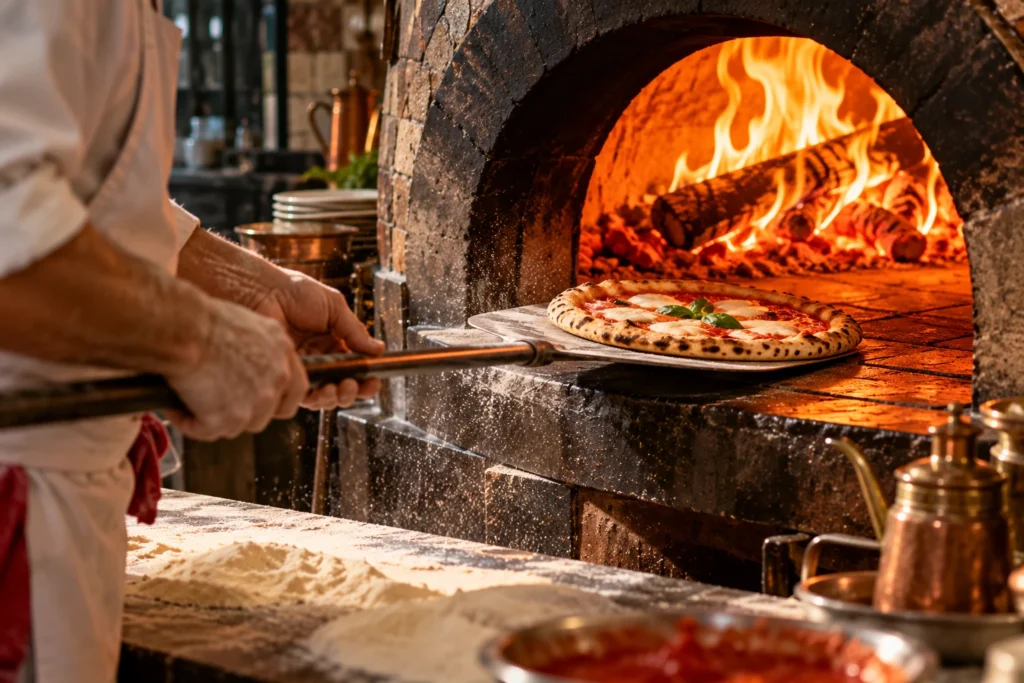
In December 2017 UNESCO went further and inscribed the art of the Neapolitan pizzaiuolo on its Intangible Cultural Heritage list — protecting not a recipe but a craft: the dough handling, the oven, the movements, and the transmission of those skills between generations in Naples.
The same instinct produced Slow Food. The movement began in 1986, prompted by a McDonald’s opening near the Spanish Steps in Rome, and grew into an international organisation arguing for local producers, biodiversity and the right to eat slowly. Whatever you make of it, it started as a specific objection to a specific building.
Why it ranks first
TasteAtlas and most similar rankings have put Italy at or near the top for years, and the mechanism is worth understanding: these lists aggregate user ratings across thousands of individual dishes, so a cuisine benefits from having a very large number of distinct, well-known, widely-loved items. Italy’s regionalism gives it exactly that — hundreds of named dishes, each with a defended identity, each eaten by millions of people outside Italy.
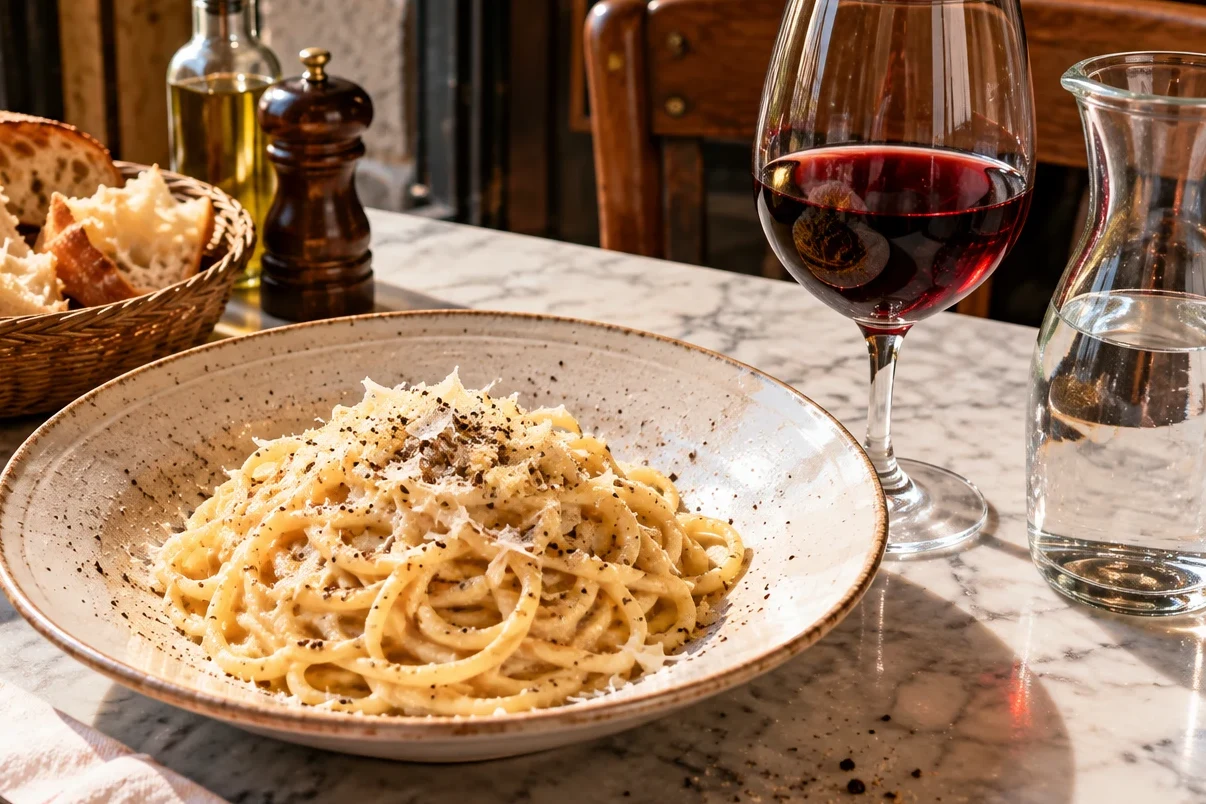
So the ranking is real but it measures reach and affection rather than complexity. Italian technique is not the most intricate in the world. What it is, consistently, is the most disciplined about ingredients: fewer components, better sourced, less done to them. That is a harder standard than it sounds, and it is why a plate of cacio e pepe — pasta, pecorino, pepper, water — separates competent cooks from good ones.
Where it stands now
Italian is the most imitated cuisine on earth and therefore the most diluted. The phenomenon has a name in Italy — Italian sounding — for products dressed in Italian names, colours and flags that have no connection to the country, and it is estimated to be worth more globally than authentic Italian food exports. That is the cost of being everyone’s favourite.
At home, two pressures are changing things. Climate is moving what can be grown where, with durum wheat, olive and tomato yields all affected by hotter, drier summers. And the traditional trades are ageing, as they are in Japan, which is why you will read about young Italians being encouraged back into cheese, salumi and bread. The cuisine is not at risk. Specific producers are.
How to eat it without embarrassing yourself
- Coffee has a clock. Cappuccino is a morning drink; after lunch it is an espresso. Nobody will stop you, but everyone will notice.
- Order by region. In Bologna eat ragu and tortellini; in Naples eat pizza; in Rome eat the four pasta dishes Rome is built on. Ordering carbonara in Milan is legal and pointless.
- Pasta is a course, not a side. It arrives before the meat, not underneath it.
- Bread is for the sauce at the end, not for dipping in oil before the meal. That is an American restaurant invention.
- Cheese on seafood pasta is the one that will genuinely upset people. Skip it.